
Time is running out — Congress needs to fully dismantle the Department of Education
USPIE supports HR 2691, sponsored by Rep. Barry Moore (R-AL), which would close the federal Department of Education
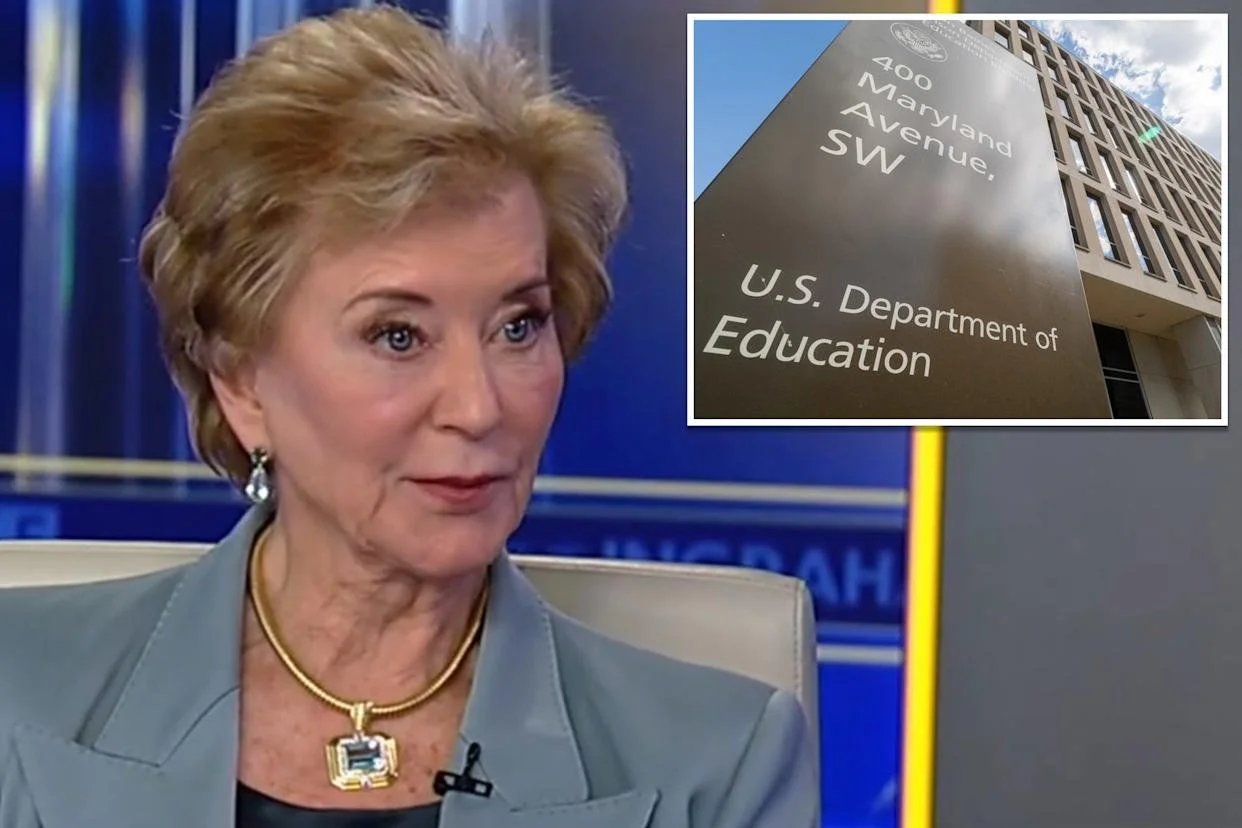
The recent congressional testimony by U.S. Education Secretary Linda McMahon shows how far the administration needs to go to truly overhaul federal education policy, according to United States Parents Involved in Education (USPIE).
McMahon told members of the House Education and Workforce Committee that the Education Department has entered into 10 interagency agreements with five other federal agencies, moving over some functions, such as programs that oversee K-12 academic support and career and technical education (CTE).
McMahon informed the committee that the first interagency agreement the department made — with the U.S. Department of Labor to manage CTE activities — is already resulting in efficiencies, according to k12dive.com. But Democrats were unimpressed. Rep. Suzanne Bonamici (D-OR) called the arrangements “bureaucracy expansion agreements” that are “illegal” or “unconstitutional.”
“Comments like this one shed light on the serious risk in the administration’s approach,” said Melanie Kurdys, USPIE’s Michigan PIE president and board member. Several other Democrats echoed this concern. Clearly, if the Democrats retake the White House, they will seek to undo all these changes.
This is the risk of affecting major reform through Executive Order. We recognize and appreciate that under President Trump’s leadership, the department has made great strides in reducing bureaucracy, wasteful spending and bloated staffing. They have also moved to reduce regulations and strings attached to federal funding, giving states more freedom and flexibility.
However, to make these changes permanent, Congress needs to act. USPIE supports HR 2691, sponsored by Rep. Barry Moore (R-AL) which would close the Department of Education and end all federal education programs.
This is the only way to ensure that the move to reduce federal involvement in education lasts beyond one administration and ultimately returns control to parents and local communities. But parents cannot wait for that to happen. They need to pull their children out of government schools.
One additional concern is that more than half of the states have given advance notice to the IRS that they will opt in to the Federal Scholarship Tax Credit program that was included in 2025’s “One Big Beautiful Bill.” In January, individual taxpayers can start making charitable donations to state-approved scholarships for K-12 services, including private school tuition, homeschooling expenses and government school expenses. USPIE argues that implementing yet another federal education policy with the ultimate goal of ending federal involvement in education undermines efforts to return control to parents and local communities.
“The intent — to give parents more choices in education — is noble,” Kurdys said. “But USPIE’s concern is that once government money floods into the system, strings quickly follow, and what was once private education may well turn into whatever government officials decide is allowable.”
To hear from USPIE’s Founder and President, Sheri Few, tune in to the latest episode of USPIE’s podcast, “Unmasking Government Schools with Sheri Few,” on Tuesday, May 26, where Few is joined by Phillip Telfer, pastor and author of “Help! The Smartphone Ate My Family.” He’s the co-director of the award-winning documentary film Captivated, the founder and director of the nonprofit ministry Media Talk 101, and the annual Christian Worldview Film Festival. Listen to “Unmasking Government Schools with Sheri Few” on YouTube, Facebook, Spotify and X.
USPIE’s“Unmasking Government Schools with Sheri Few” is a weekly podcast that exposes the dangers of education shaped by government bureaucrats and social engineers, while exploring practical ways to protect children and preserve America’s freedom. Listen to “Unmasking Government Schools with Sheri Few” on YouTube, Facebook, Spotify and X.